
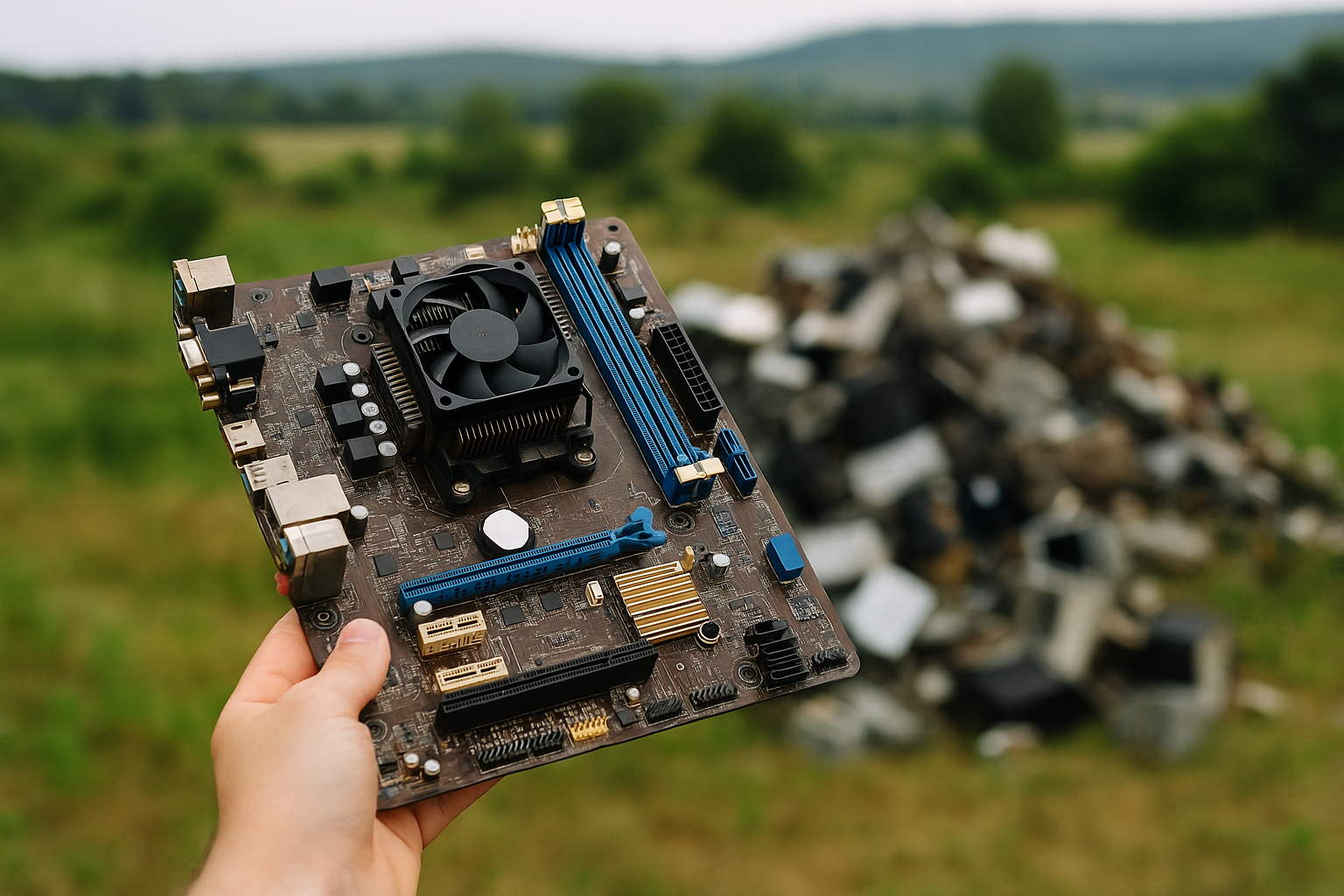
As technology advances and hardware upgrades become more frequent, so does the production of electronic waste.
In 2025, the environmental toll of electronics consumption is under more scrutiny than ever. But there’s good news—buying used PC components can help combat this issue significantly.
This article explores how choosing used parts over new ones benefits the environment, reduces e-waste, supports sustainability in tech, and even aligns with corporate social responsibility for individuals and businesses alike.
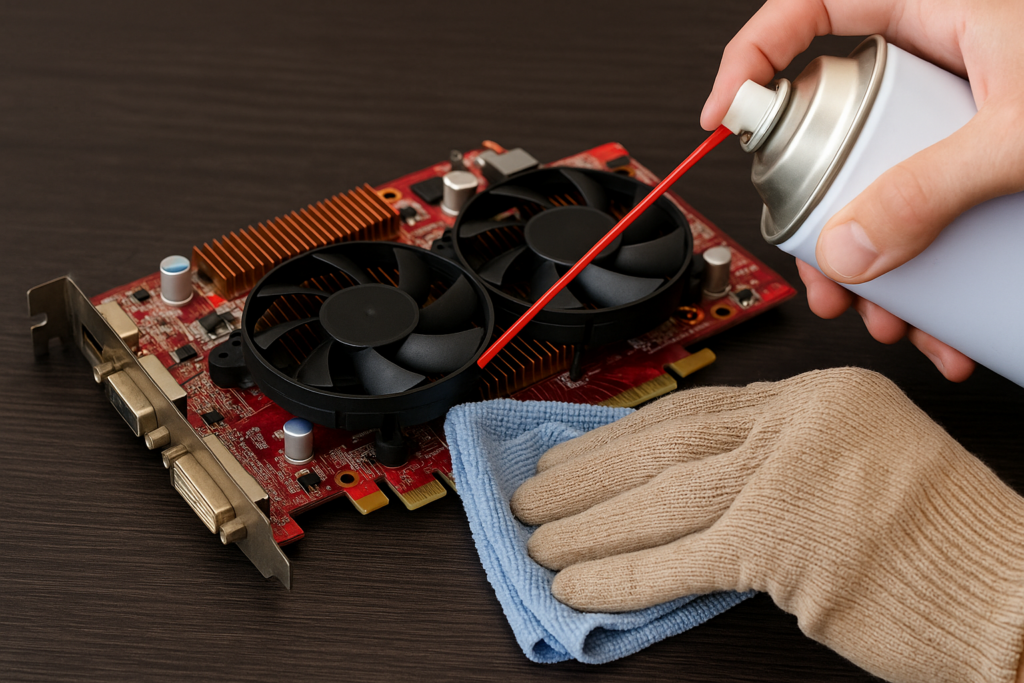
Got second-hand PC parts? Learn how to safely clean and refurbish them before reuse—boosting performance and lifespan.
What Is E-Waste and Why Does It Matter?
Electronic waste (e-waste) refers to discarded electronic devices and components. This includes:
- Old graphics cards
- CPUs and motherboards
- Hard drives and SSDs
- Power supplies and cases
E-waste is one of the fastest-growing waste streams globally. In 2024, global e-waste topped 60 million metric tons, and only about 20% was formally recycled.
Most e-waste ends up in landfills or gets incinerated, releasing harmful substances such as:
- Lead
- Mercury
- Cadmium
- Brominated flame retardants
These substances contaminate soil, water, and air, posing risks to ecosystems and human health.
How Buying Used PC Parts Helps the Planet
1. Extends the Life Cycle of Electronics
The longer a product stays in use, the lower its environmental impact over time. A CPU that lasts 8 years instead of 4 has double the return on the natural resources used in its production.
2. Reduces Demand for New Manufacturing
Producing a single desktop computer and monitor requires:
- 240 kg of fossil fuels
- 22 kg of chemicals
- 1,500 liters of water
Buying used reduces the pressure on supply chains, mining operations, and factory outputs.
3. Minimizes Carbon Emissions
Manufacturing new tech contributes to greenhouse gas emissions at multiple stages:
- Raw material extraction (mining lithium, cobalt, etc.)
- Shipping and logistics
- Factory energy consumption
By choosing refurbished or secondhand components, you eliminate most of this carbon footprint.
4. Diverts Hardware from Landfills
Every reused part is one less item sent to a landfill or informal recycling center where safety standards are weak.
Environmental Benefits by Component Type
🔹 Used CPUs
- CPUs don’t wear out easily.
- Extending their lifespan reduces silicon waste and avoids the energy-intensive manufacturing process.
🔹 Used GPUs
- Often replaced prematurely for performance reasons, not failure.
- Rescuing a GPU from early retirement is a powerful way to reduce e-waste, especially high-power models like RTX cards.
🔹 Motherboards
- Frequently discarded due to upgrades, even when still functional.
- Buying used prevents unnecessary PCB disposal and rare metal waste.
🔹 Storage Drives
- SSDs and HDDs contribute to rare earth extraction.
- A secondhand SSD, especially under 2 years old, can have years of usable life remaining.
🔹 Power Supplies and Cases
- Long lifespans (7–10 years for PSUs, even longer for cases).
- Refurbishing a PSU or reusing a case saves plastic, steel, and copper from ending up in waste streams.
Quantifying the Impact: Real-World Example
Let’s say you build a PC in 2025 using 100% used components:
| Component | Carbon Emissions (New) | Carbon Saved (Used) |
|---|---|---|
| CPU | ~120 kg CO₂ | 100% saved |
| GPU | ~200 kg CO₂ | 100% saved |
| PSU | ~50 kg CO₂ | 100% saved |
| SSD | ~30 kg CO₂ | 100% saved |
| RAM | ~25 kg CO₂ | 100% saved |
| Motherboard | ~80 kg CO₂ | 100% saved |
Total emissions avoided: ~500–600 kg of CO₂ per build
That’s equivalent to the carbon emitted by driving a gasoline car for over 1,300 miles.
Used Parts vs. Recycling: Which Is Better?
Recycling is good—but reuse is better.
Recycling often means:
- Energy use to melt or process parts.
- Loss of raw material quality.
- Additional carbon footprint from transportation.
Reusing a part as-is or with minimal refurbishment:
- Requires no industrial processing.
- Produces zero emissions at the point of reuse.
- Saves money and the planet.
Common Myths About Used Hardware and Sustainability
❌ “Used parts are unreliable.”
Many used components—especially CPUs, RAM, and cases—can last for over a decade if properly maintained.
❌ “E-waste recycling is efficient.”
Global e-waste recycling rates are low, and informal recycling can expose workers to toxins without proper protection.
❌ “It’s better to buy energy-efficient new hardware.”
That’s only true when the energy savings outweigh the carbon cost of manufacturing—something that takes years to achieve.
How to Buy Used Parts Responsibly
- Inspect condition to avoid buying junk that gets tossed after weeks.
- Buy locally when possible to reduce shipping emissions.
- Buy from certified refurbishers for safe and tested parts.
- Donate or sell old parts instead of trashing them.
Sustainable PC Building Tips
- Use a modular PSU so you can carry it over to your next build.
- Choose standard-size cases and motherboards to make future upgrades easier.
- Consider building with older, undervalued but powerful platforms like Ryzen 3000 or Intel 10th Gen.
You don’t have to give up performance to stay green.
Final Thoughts: Good for You, Good for the Planet
Buying used PC components in 2025 is more than just a way to save money—it’s a direct step toward a more sustainable, responsible tech culture. Each reused component represents energy saved, waste diverted, and emissions avoided.
As builders, gamers, creatives, or IT pros, we have the power to extend the life of our technology and reduce the ecological cost of constant upgrades. Make smarter choices, build with intention, and let your PC reflect not just your skill—but your values too.

Chris Dalton is a tech enthusiast with a passion for helping others build high-performance PCs on a budget. He shares practical advice, in-depth guides, and honest insights to empower freelancers, gamers, and creators to get the most out of their hardware. With hands-on experience and a focus on smart, affordable solutions, Carlos Eduardo turns complex tech into accessible knowledge for all.