
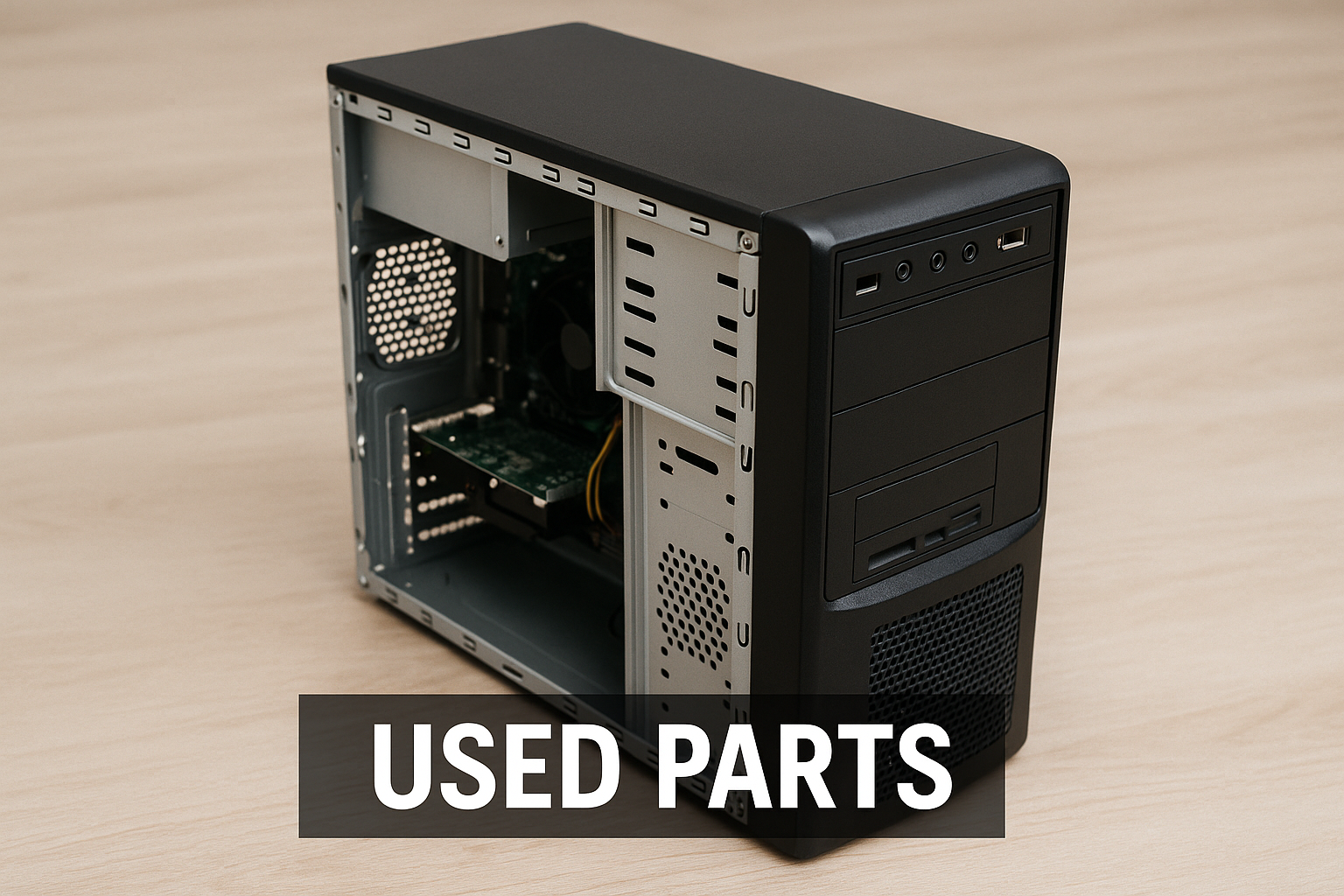
In the pursuit of quieter office environments, sound-dampening materials have become a vital tool for PC builders and IT professionals.
These materials reduce vibrations, block sound transmission, and eliminate acoustic leaks from PC enclosures.
As more professionals shift to hybrid workspaces and quiet productivity zones, building silent office PCs with proper acoustic insulation is no longer optional—it’s essential.
This article covers the best sound-dampening materials available in 2025, how to apply them effectively, and what to look for when designing or modifying a PC enclosure for silence.
Why Sound-Dampening Matters
Even if you’ve already selected quiet fans, a passive PSU, or a silent case, the internal acoustic behavior of a PC can still generate noise.
Vibrations from drives, coil whine from GPUs, airflow turbulence, and resonance from the chassis can all leak sound into your environment. High-quality dampening materials:
Reduce high-frequency fan noise
Suppress low-frequency vibrations
Absorb internal reflections inside the case
Prevent sound from escaping vent openings
Improve the overall acoustic profile of the workspace
When properly applied, they make even air-cooled PCs sound nearly as silent as passive ones.
Types of Sound-Dampening Materials
In 2025, there are several specialized materials optimized for PC acoustic dampening. The most effective ones include:
Acoustic Foam
High-density polyurethane foam designed to absorb mid-to-high-frequency sound waves. Often used in studio walls and now optimized for PC interiors.
Pros:
Lightweight and flexible
Absorbs fan and drive noise
Adheres easily to side panels
Improves internal airflow behavior
Best used for: Side panels, front panel interior, drive bay areas
Mass Loaded Vinyl (MLV)
A dense, limp material that adds mass to panels and blocks low-frequency vibration and sound.
Pros:
Blocks structural vibration and case resonance
Excellent for bass and power supply hum
Can be layered with foam for hybrid performance
Best used for: Bottom panels, PSU chamber walls, steel chassis reinforcement
Bitumen Sheets
Adhesive-backed vibration-dampening sheets used in automotive soundproofing. Adds mass and stops panel resonance.
Pros:
Cheap and widely available
Effective against metal case vibrations
Pairs well with foam or felt
Best used for: Steel or aluminum panels that vibrate or echo
Acoustic Felt
Dense textile-like material that dampens high-frequency sound and adds insulation without airflow obstruction.
Pros:
Flexible and easy to cut
Reduces sharp fan noise
Aesthetically neutral and professional-looking
Best used for: Rear panel, PSU chambers, custom mod projects
Closed-Cell EVA Foam
Durable, non-absorptive foam that provides vibration isolation and temperature resistance.
Pros:
Good for thermal control zones
Resists dust and moisture
Ideal for separating hard drives or PSU surfaces
Best used for: Drive bays, between case and desk, or under PSU
Best Pre-Cut Sound-Dampening Kits (2025)
If you don’t want to source raw materials, these kits offer pre-cut sheets for standard ATX or mATX cases.
Be Quiet! Sound Insulation Kit
- Compatible with ATX towers
- 3mm thick acoustic foam panels
- Includes side, top, and bottom panel coverage
- Easy peel-and-stick backing
Performance: Reduces system noise by up to 6–8 dBA under load.
SilverStone SF01
- 4-piece foam set
- Pre-cut for Micro ATX and ATX cases
- 4mm thick closed-cell foam
- High heat resistance up to 120°C
Performance: Great for air-cooled setups with moderate fan speeds.
ModRight Block Series
- Multilayer foam and vinyl combo
- Acoustic + thermal insulation
- Customizable for any case size
- High absorption rating
Performance: Effective in both workstation and gaming-oriented builds.
How to Apply Sound-Dampening Materials
1. Clean the Surface
Remove all dust and residue from panel surfaces using isopropyl alcohol. Adhesive won’t stick properly to dirty or greasy areas.
2. Plan Coverage
Focus on the largest surface areas:
- Side panels (inside)
- Top panel
- Front door/panel (interior)
- Bottom of the case
- PSU shroud walls
- Behind the motherboard tray if accessible
Avoid covering vents or airflow paths.
3. Cut to Fit
Use a craft knife or scissors for precise shapes. Most foam or vinyl sheets can be trimmed to fit even irregular contours.
4. Apply Pressure
Use a roller or firm hand pressure to bond the adhesive. Let it cure for 12–24 hours for maximum durability.
5. Combine Layers
Layering acoustic foam over bitumen sheets or vinyl adds both absorption and isolation. Always apply the denser material first.
Where to Avoid Applying Dampening Materials
While dampening materials are excellent for sound, some locations should remain uncovered:
- Air intakes or exhaust grills
- GPU or CPU cooler zones
- Motherboard socket areas
- VRMs and heat-sensitive zones
- Rear I/O shield area
Covering these areas can cause overheating or block necessary ventilation.
Sound-Dampening Tips for Specific Case Types
Silent Office Tower (Fractal Define, NZXT H5, Be Quiet! 500 FX)
- Use acoustic foam on the top, front, and side panels
- Apply bitumen pads behind the motherboard tray
- Use thick feet pads or cork base to reduce desk vibration
SFF/Mini ITX Case (NR200P, Louqe Ghost, Streacom DA2)
- Use thin closed-cell foam on internal surfaces
- Consider external noise-blocking placement (corner or shelf)
- Avoid blocking ventilation areas near CPU or PSU
Custom Passive Build (Streacom DB4, MonsterLabo The Beast)
- Line unused internal chambers with felt or thermal foam
- Cover unused PSU zones or HDD mounts
- Combine with external sound panels if case is exposed
Budget Alternatives for Acoustic Dampening
If you’re on a tight budget, try these DIY materials:
- Yoga mat — Cut and glue as vibration absorber
- Cork sheet — Natural, eco-friendly sound dampener
- Mouse pad rubber — Works for feet or fan mounts
- Dense cardboard + cloth — Improvised acoustic panels
They won’t match professional performance but can provide temporary relief from annoying vibrations or hum.
Accessories That Help With Sound Isolation
Even beyond internal case materials, a few accessories can dramatically reduce noise:
Anti-Vibration Fan Mounts
Use silicone mounts instead of screws to isolate fans from the case frame.
Hard Drive Decouplers
Suspend or isolate 3.5″ drives using rubber rails or foam brackets.
Rubber Case Feet
Replace default case feet with Sorbothane or silicone blocks to isolate vibration from desks or floors.
Dust Filters with Foam Backing
Use padded dust filters that also reduce high-pitched fan noise when placed on intake grills.
Final Considerations
The combination of passive hardware and smart soundproofing techniques creates a nearly silent office PC. However, success depends on applying the right material in the right location.
Do:
Cover large flat panels first
Layer foam + mass-loaded vinyl when possible
Use low-RPM fans with soft mounts
Apply materials gradually and test after each step
Don’t:
Block airflow or intake/exhaust paths
Apply insulation near VRMs or heatpipes
Ignore small vibrating parts like drive cages
Overload adhesive pads — more isn’t always better
Final Thoughts
In 2025, achieving true silence in your office PC is no longer reserved for high-end passive systems. With the right sound-dampening materials and smart installation, any air-cooled setup can be transformed into a quiet productivity machine.
Whether you’re soundproofing a workstation, retrofitting an existing build, or planning your next silent PC, investing in quality dampening materials is one of the most effective—and affordable—ways to reduce noise.
Less noise means better focus, fewer distractions, and a more professional environment for remote meetings and daily work.

Chris Dalton is a tech enthusiast with a passion for helping others build high-performance PCs on a budget. He shares practical advice, in-depth guides, and honest insights to empower freelancers, gamers, and creators to get the most out of their hardware. With hands-on experience and a focus on smart, affordable solutions, Carlos Eduardo turns complex tech into accessible knowledge for all.